
In the ever-evolving landscape of sustainability, water is emerging as a crucial factor in the Scope 3 emissions conversation. As businesses strive to reduce their environmental impact, understanding and managing water usage across value chains has become essential. In this blog, we explore how water transforms how companies approach sustainability and shapes a greener, more responsible future.
Understanding Scope 3 Emissions
Scope 3 emissions refer to the indirect emissions in a company’s value chain. These include emissions from suppliers, product use, waste disposal, and other activities not directly controlled by the company. While carbon emissions have traditionally been the focus, water usage is now recognised as a significant component of a company’s environmental footprint.
The Rising Importance of Water in Sustainability
Water is a finite resource, and its scarcity poses a critical risk to businesses and communities. By scrutinising water usage, companies can identify inefficiencies, reduce waste, and implement sustainable practices. This not only helps in conserving water but also plays a vital role in mitigating climate change and reducing Scope 3 emissions.
Redefining Environmental Impact Through Water Management
Businesses are increasingly redefining their environmental impact by integrating water management into their sustainability strategies. Here are some ways in which this is being achieved:
Comprehensive Water Audits: Conducting thorough water audits helps businesses understand their water footprint. This includes assessing water use across all operations and identifying areas for improvement.
Supplier Collaboration: Working closely with suppliers to ensure they adopt sustainable water practices is crucial. This collaborative approach extends sustainable water management throughout the value chain.
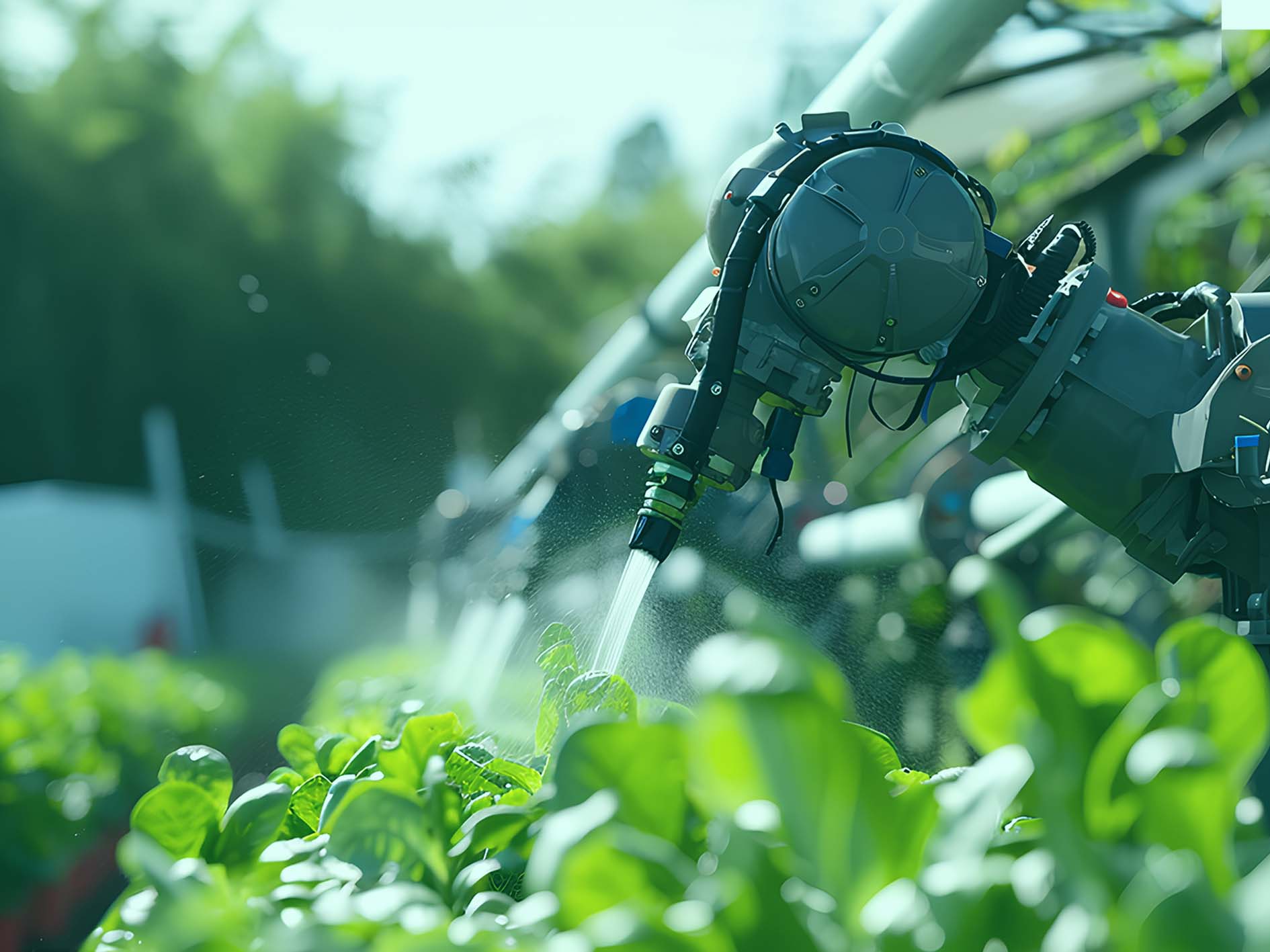
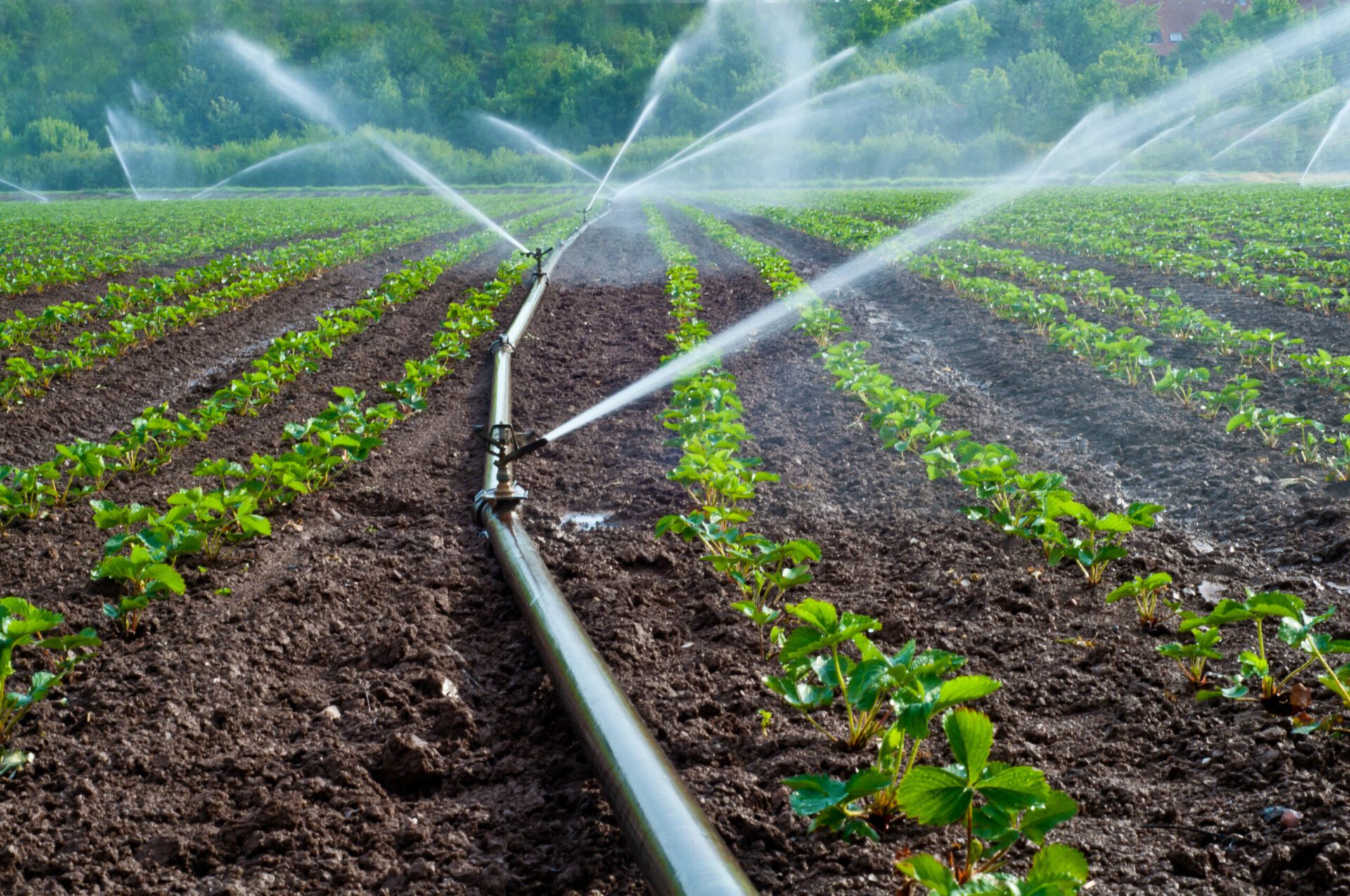
Innovation in Water Conservation: Investing in innovative technologies and practices that enhance water efficiency can significantly reduce usage. This includes recycling wastewater, optimising irrigation systems, and using water-efficient fixtures.
Employee Engagement and Training: Educating employees about the importance of water conservation and involving them in sustainability initiatives fosters a culture of environmental responsibility.
Transparent Reporting: Reporting water usage and conservation efforts in sustainability reports builds trust with stakeholders and highlights a company’s commitment to environmental stewardship.
The Transformative Role of Water in a Greener Future
The role of water in business sustainability is transformative. By prioritising water management, companies can:
Reduce Operational Costs: Efficient water use leads to cost savings in operations.
Enhance Brand Reputation: Demonstrating commitment to sustainability boosts brand image and attracts eco-conscious consumers.
Mitigate Risks: Addressing water-related risks ensures business continuity and resilience.
Contribute to Global Goals: Aligning with global sustainability goals, such as the United Nations Sustainable Development Goals (SDGs), positions companies as leaders in environmental responsibility.
How can Brightwater help?
Contact us if you want to know your current CO2 emissions, even if you’re not a Brightwater customer! Better still, please ask if we can help you with water efficiencies, please ask us. There are some quick wins that we can easily advise.
Water is becoming a pivotal element in the Scope 3 emissions conversation, underscoring the need for businesses to adopt comprehensive water management strategies. At Brightwater, we are committed to helping Scottish businesses navigate this as a water services provider based in Scotland.