In today’s fast-paced world, technological advancements shape the way we live and work, and the water industry is no exception. Leveraging cutting-edge technologies can ensure that water supply operations are as efficient, reliable, and sustainable as possible. Here’s how innovations in smart metering, data analytics, and automation are revolutionising water services and benefiting consumers and providers alike.
Smart Metering: The Backbone of Intelligent Water Management
Smart meters are at the forefront of efforts to modernise water supply operations. Unlike traditional meters, which require manual readings and are prone to inaccuracies, smart meters provide real-time data on water usage. This technology offers numerous benefits:
Accuracy and Transparency: Consumers receive precise information about their water consumption, allowing them to monitor usage patterns and manage their water bills more effectively.
Leak Detection: Continuous monitoring helps identify and address leaks swiftly, reducing water waste and preventing potential damage to properties.
Resource Management: By analysing data from smart meters, providers can optimise water distribution, ensuring that supply meets demand without unnecessary overproduction or strain on resources.
We can actually help you with installing a smart meter, get in touch with us today to see how we can help revolutionise your business’s water management.
Data Analytics: Turning Information into Action
Data analytics is a game-changer in optimising water supply operations. Harnessing the power of big data can make informed decisions and enhance service delivery. Here’s how data analytics contributes to water management:
Predictive Maintenance: By analysing historical data and usage patterns, potential system failures can be predicted before they occur, allowing for proactive maintenance and reducing downtime.
Demand Forecasting: Accurate forecasting models help anticipate water demand fluctuations, enabling adjustments to supply accordingly and maintaining a consistent flow.
Operational Efficiency: Data-driven insights allow the identification of inefficiencies in processes and the implementation of targeted improvements, ultimately reducing operational costs and enhancing service reliability.
Automation: Streamlining Operations for Enhanced Efficiency
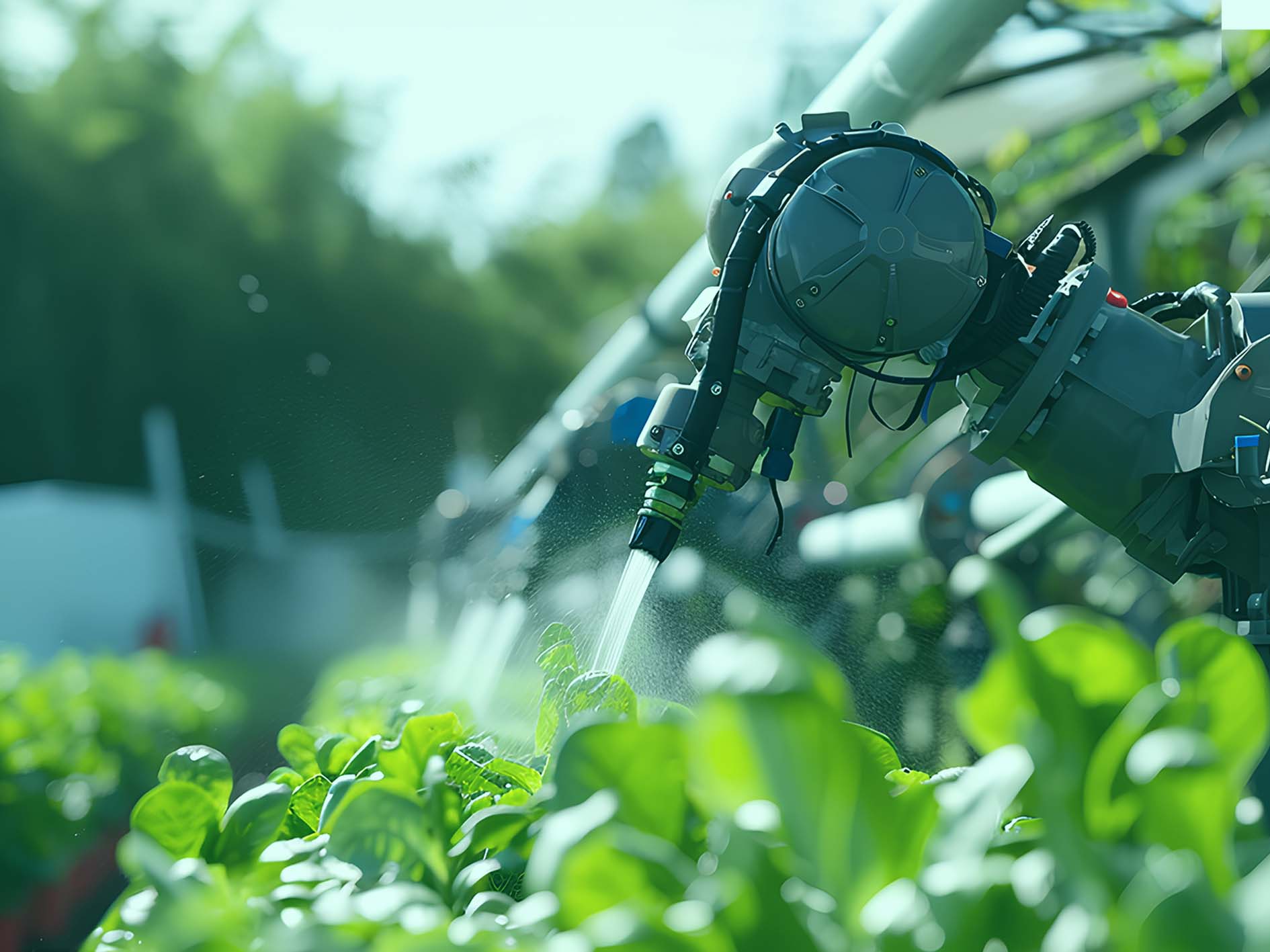
Automation is transforming the water industry by streamlining operations and minimising human intervention in routine tasks. Integrating automation in various aspects of the water supply chain can achieve higher efficiency and reliability:
Automated Pumping Stations: Pumping stations equipped with automated controls can adjust water pressure and flow rates based on real-time demand, ensuring optimal performance and energy efficiency.
Remote Monitoring and Control: Automation enables the remote monitoring and control of water treatment plants and distribution networks, allowing for rapid response to issues and reducing the need for on-site personnel.
Smart Infrastructure: Intelligent sensors and automated valves within infrastructure help manage water distribution more effectively, detecting and isolating issues like pipe bursts to minimise service disruptions.
Embracing a Sustainable Future
Technological advancements not only enhance operational efficiency but also align with sustainability goals. By reducing water waste, improving energy efficiency, and optimising resource management, technology contributes to a more sustainable future for water services. Moreover, these advancements support regulatory compliance and help meet environmental standards, ensuring the protection of precious natural resources for generations to come.
The integration of smart metering, data analytics, and automation is revolutionising water supply operations. These technologies empower water providers to deliver superior service, optimise operations, and contribute to environmental sustainability. As the water industry continues to innovate and embrace new technologies, the future of water management looks smarter and more sustainable.